You open up Tiktok or Instagram reels on your phone to be met with a girl showing her kitchen restocking video. The shelves are pristine, all adorned with plastic containers labeled meticulously for each item. You can’t help but feel inspired to organize in the same way. But pause! As tantalizing as those plastic containers might look in your pantry, consider the waste they bring. Do you really need a separate plastic (meaning non-biodegradable) container for EACH and every thing? What you’re feeding into is called overconsumption.
Why Overconsumption is Extremely Harmful
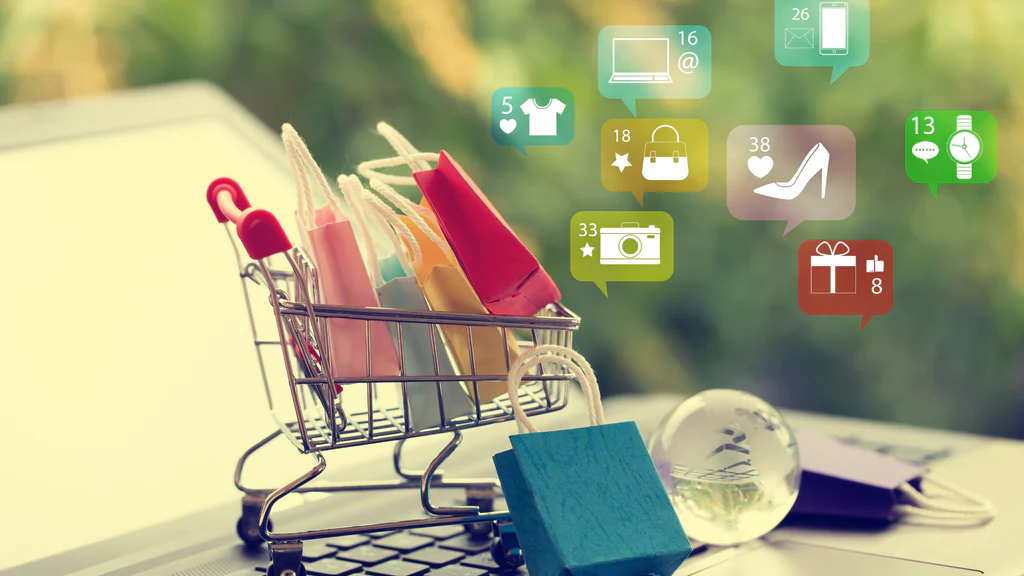
Overconsumption is defined by West Michigan Environmental Action Council as “what happens when an ecosystem can no longer sustain the use of its resource” (WMEAC). Many issues in our environment are largely due to overconsumption, such as deforestation, global warming and animal extinction (just to name a few!) (WMEAC). Our consumerism which has been exacerbated by social media, is incredibly rampant; a 2015 study cited in an article from the Columbia Climate School, states that the “production and use of household goods and services was responsible for 60 percent of global greenhouse gas emissions” (Columbia Climate School). This 2015 statistic already a large number, and just imagine how social media might have made it rise even more over a decade .
An example of overconsumption degrading the environment is the amount of microplastics it generates. These microplastics, whether they come from plastic bags, containers, or bottles, can build up and create a disastrous effect on the environment. These accumulate in the oceans, where fish consume them, and then we consume the micro-plastic ridden fish. These accumulate in our water, which we consume, and wraps over our food in packaging.
Another example of overconsumption harming our environment is through animal extinction. As said before, those microplastics can easily harm animals’ body systems, and unfortunately, humans do have a tendency to throw things (usually plastic) away in what could be an animal’s home instead of correctly throwing it out. Those habits will only get worse if we overconsume and use even more plastic. This in turn can kill a species if it gets bad enough.
Additionally, there is the issue of deforestation. Many products require the usage of trees, whether it be for fuel in firewood or building material for a house, but the problem with overconsumption is that it makes the usage of those even more popular. So many animals require trees to live in or around, and without an appropriate ecosystem, many will be lost, either forced to relocate or simply die out. Even if they relocate, who’s to say that the new area won’t be lost to deforestation either? That is the prevalent problem with overconsumption – it eats up our important resources, leaving unusable trash behind.
How Social Media Ties Into It
Especially following the pandemic, social media has become a fundamental part of our lives. The rise of short-form content has also been on the rise, with platforms like Tiktok, Instagram and Youtube Shorts. This short-form content leads us down a spiral most of the time, leading us to not really think straight. Microtrends are the norm, on many short-form content platforms, using aesthetics like “clean girl”, “vanilla girl” and “cottagecore” (WMEAC) leading people to purchase clothing that adhere to those fashion genres, only for the trend to die out and move onto another genre. People will buy clothes on a whim just to fit in (or to not get FOMO as Overconsumption.org puts it), just to buy more to fit another aesthetic (and then throw out the clothes from the old one). This kind of culture drives a rampant mindset of overconsumerism. All these clothes are NOT necessary – one can live a normal life with a pretty limited closet with a few basic shirts and a few pairs of solid pants (anyone can easily mix and match clothing!), but many choose to buy without thinking, accumulating more and throwing out more.
Utilizing what I myself have personally seen online, there are a great deal of beauty youtubers that gather a humongous pool of makeup or skincare products, which is truly not necessary. There are instances where they own shades of makeup that they don’t need or skincare that doesn’t work for their skin. The amount of product they have cannot possibly be used by just themselves, meaning that if they don’t give out the products (which they likely wouldn’t since these are probably PR packages they’ve tested out already), the products will expire, then end up in a landfill. This is an insane amount of waste, and since many people that use short-form platforms are young and impressionable, these people can absolutely influence them to think they should also accumulate a large amount of makeup and skincare, despite it not being useful at all.
What We Can Do
There are so many creators on social media that promote this idea of needing to buy all and everything, but there are also eco-influencers that advocate for de-influencing. As WMEAC puts it, these creators call out other ones that promote overconsumption, even sometimes making fun of the product so the audience feels a little embarrassed about getting the item. Some influencers show ways to store things without having to go out and purchase plastic containers, or how to save up on money for clothing by recycling and reusing cloth. The important thing to do is to follow THESE influencers. The public can always be swayed incredibly easily (especially when you’re doomscrolling), but the important thing is to keep your head straight. Don’t mindlessly join the flock of sheep that decides that a certain aesthetic is perfect for a while, then drops it and moves onto another. Be yourself, as cliche as it sounds, and be reasonable. There are wants and needs, and it’s important to weigh those when you are also impacting the environment, and therefore your future.