Introduction
According to a 2020² study by, many non-vegans who were considering adopting a vegan lifestyle cited two major motivations: the desire to avoid animal exploitation, such as cruelty, confinement, torture, and killing, and the belief that veganism has positive effects on the environment and climate. But are these claims true? Let us find out.
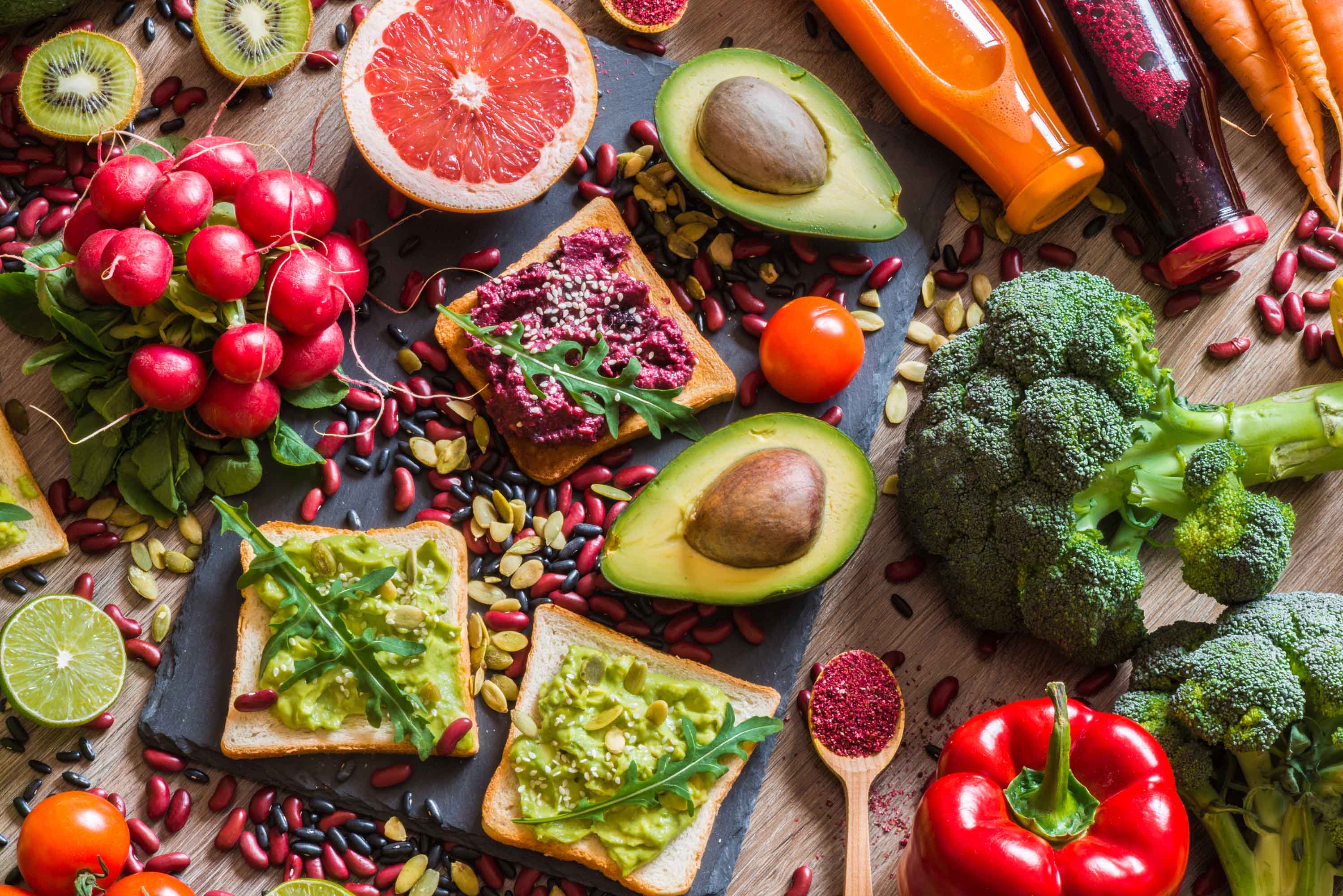
By definition, veganism is a philosophy and way of living that seeks to exclude, as far as is possible and practicable, all forms of exploitation of, and cruelty to, animals for food, clothing, or any other purpose; and by extension, promotes the development and use of animal-free alternatives for the benefit of animals, humans, and the environment. In dietary terms, it refers to avoiding all products derived wholly or partly from animals.
Veganism should not be confused with vegetarianism, which involves abstaining from eating meat, fish, and poultry but may still include dairy and other animal-derived products. The distinction between the two is important for the purpose of this article.
Livestock Farming: Does it Hurt or Help?
Many people state their reason for going vegan due to learning about mistreatment of animals. In an Australian based online survey, most people reported animal ethics as the reason to go vegan.
Among various agricultural activities, livestock farming is known to contribute significantly to greenhouse gas emissions and is considered a key area for addressing climate change. A study suggested that farmers produce at an environmental cost and that avoiding meat in diets globally would account for a 49% reduction, i.e., 6.6 billion metric tons of CO2eq, in GHG emissions.
On the other hand, livestock production is a very efficient way of converting by-products not suitable for human consumption, as it is estimated that only 4% of dairy production and around 20% of beef production is connected to feed that comes from high-nature-value grasslands . In addition, animal food production makes a significant contribution to sustainable food system goals by converting about 5% of by-products that are not edible to human consumption into livestock feed, thereby reducing waste and environmental impacts. In addition, only about 14% of the feed dry matter (13% grains and 1% other edible products) consumed by livestock is edible to humans globally. Livestock production can help reduce agricultural waste to some degree. Implementing more sustainable grazing practices, such as rotational grazing, enhances the growth of rangelands and pastures, while the combined process of feeding and depositing animal manure facilitates nutrient recycling.
Furthermore, the significance of livestock production extends to everyone involved along the value chain of animal products, who benefit indirectly from it. Animals supply food and nutrition, provide raw materials for industries, and contribute to GDP and foreign exchange. For instance, the USA produces nearly $330 billion annually in agricultural commodities, with livestock contributing roughly half of this value . Data on beef production across different regions from 2009 to 2019 indicate that the Americas generated 48% of revenue, while Asian countries accounted for 21% . Any major disruption in production would result in a substantial economic contraction for the USA, Brazil, Argentina, and mainland China, which have been the top four producers over the past decade.
While livestock farming undeniably contributes to greenhouse gas emissions and raises ethical concerns regarding animal welfare, it also plays a role in reducing agricultural waste, recycling nutrients, and supporting global economies. This dual impact highlights the complexity of evaluating the environmental consequences of animal agriculture. Therefore, the decision to go vegan for environmental reasons is not straightforward: it can help reduce emissions and animal exploitation, yet a complete shift away from livestock could create new challenges for food security, land use, and economic stability.
How Do Vegan Products Affect the Body?
Many advocates of global veganism believe that humans should consume plants that already contain proteins directly, rather than relying on animals to convert them. However, some proteins from certain leguminous plants are not easily consumable by humans due to high levels of toxic alkaloids and other allergenic compounds, though animals can metabolize these proteins as feed.
Plant-based diets often contain lower levels of essential micronutrients, including iron, zinc, vitamin B-12, vitamin D, omega-3 (n-3) fatty acids, calcium, and iodine, which can increase the risk of malnutrition. Vegans typically need to take daily supplements to meet these nutritional requirements, as plant sources alone are often insufficient. Even when relying on plant sources, vegans generally need to consume about 20% more food than non-vegans (omnivores) to achieve the recommended daily intake of these nutrients.
Benefits of Veganism
In order to stop methane emissions, the UN recommends “shifting toward plant-based diets and embracing alternative sources of protein.” They estimate that humans could cut methane emissions by 45%, which would be critical to slowing global warming. They estimate that humans could cut methane emissions by 45%, which would be critical to slowing global warming.
The worldwide meat and fishing industries contribute significantly to pollution and disrupt the stability of our oceans. By choosing to exclude land animals and fish from our diets, we oppose the environmental damage caused by these industries and give marine ecosystems an opportunity to recover and regain balance.
Ethically, it aligns with principles of minimizing harm by reducing dependence on industries associated with animal exploitation and intensive livestock production.Furthermore, large-scale shifts toward plant-based consumption can enhance global food security by enabling more efficient use of agricultural resources and reducing the ecological footprint associated with food production.
Environmental Risks of Veganism
Areal expansion of agriculture and intensification of agricultural practices are the two main threats that potentially contribute to land degradation. In agriculture, the Earth’s resources are being increasingly overexploited. Intensive farming, especially commercial livestock production, has contributed to rising greenhouse gas emissions over the decades, while also diminishing biodiversity and compromising water resource integrity.
If pasturelands are converted into croplands and livestock production is phased out in line with global vegan adoption, plant-based food production would increase. However, most of these gains are expected to rely heavily on fertilizers and water, which could negatively impact water quality, contribute to soil salinization, and affect the global water cycle. Additionally, the production of industrial fertilizers is a major concern, as it is a significant source of greenhouse gas emissions.
Conclusion
The vegan ideology undeniably offers substantial potential to reduce greenhouse gas emissions and promote healthier, more ethical dietary habits. A global shift toward plant-based diets could alleviate many of the environmental and moral challenges associated with intensive animal farming. However, such a transition also presents ecological and economic complexities, including increased pressure on water and soil resources, dependence on fertilizers, and potential biodiversity loss. Moreover, the complete elimination of livestock production could have unintended consequences for food systems and livelihoods. While a fully vegan world remains a distant and largely theoretical prospect, gradual adoption of sustainable plant-based practices, complemented by improved livestock management and innovation in alternative proteins, may represent a more balanced path toward global food security and environmental sustainability.